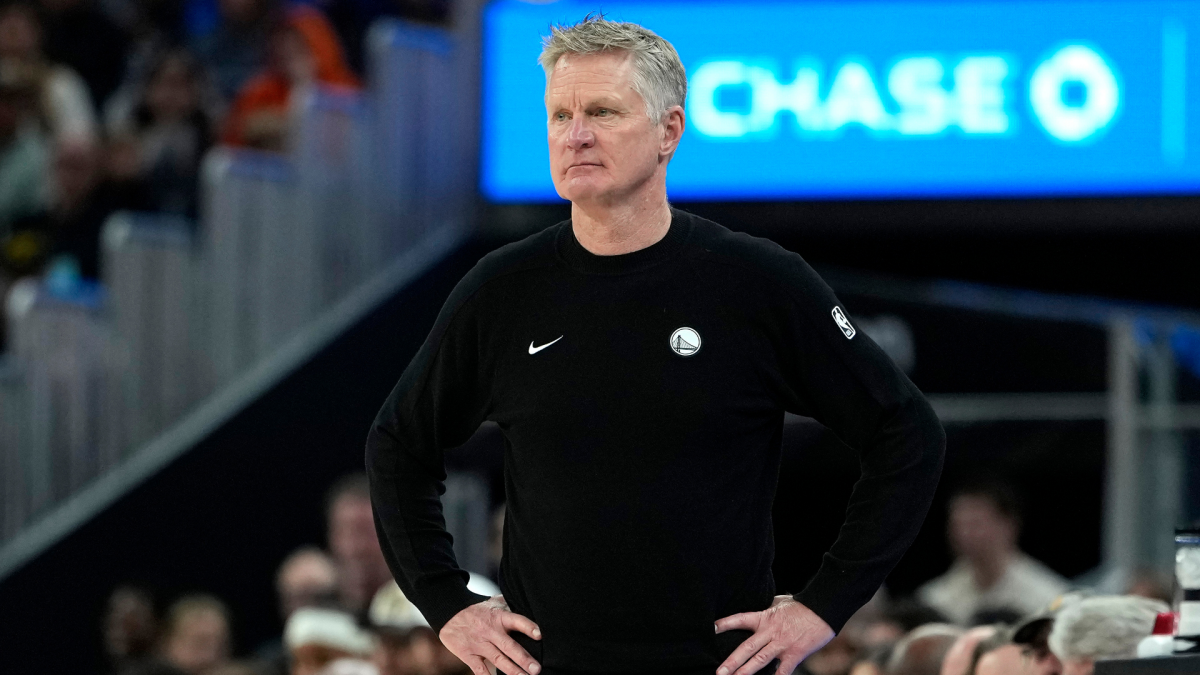
As the NBA continues to evolve, discussions about the length of the season have gained renewed attention. Warriors head coach Steve Kerr has expressed support for a 'meaningful discussion' regarding the potential benefits of shortening the NBA season.
In recent interviews, Kerr highlighted concerns about player fatigue, injuries, and the overall quality of play, suggesting that a shorter season could help address these issues. He emphasized that the health and longevity of players should be a priority for the league, teams, and fans alike.
The current NBA season spans 82 games, a schedule that has been in place for decades. However, with the increasing physical demands on players and the packed NBA calendar, many experts and stakeholders are questioning whether this length remains optimal. Kerr pointed out that reducing the number of games could lead to fewer injuries, better performance, and more meaningful games during the regular season and playoffs.
Several other NBA figures and analysts have echoed similar sentiments, noting that a shorter season might also enhance fan engagement by increasing the significance of each game. Additionally, players could benefit from more rest and recovery time, potentially extending their careers and improving overall league competitiveness.
Despite these arguments, there are also challenges to implementing such a change. Concerns include revenue implications, scheduling logistics, and maintaining the league's global appeal. The NBA's leadership has yet to make a definitive decision, but Kerr's call for a serious dialogue underscores the importance of reevaluating the current structure.
Ultimately, the debate over shortening the NBA season reflects broader discussions about athlete health, league sustainability, and the future of professional basketball. As conversations continue, stakeholders will need to weigh the potential benefits against the economic and logistical considerations involved.